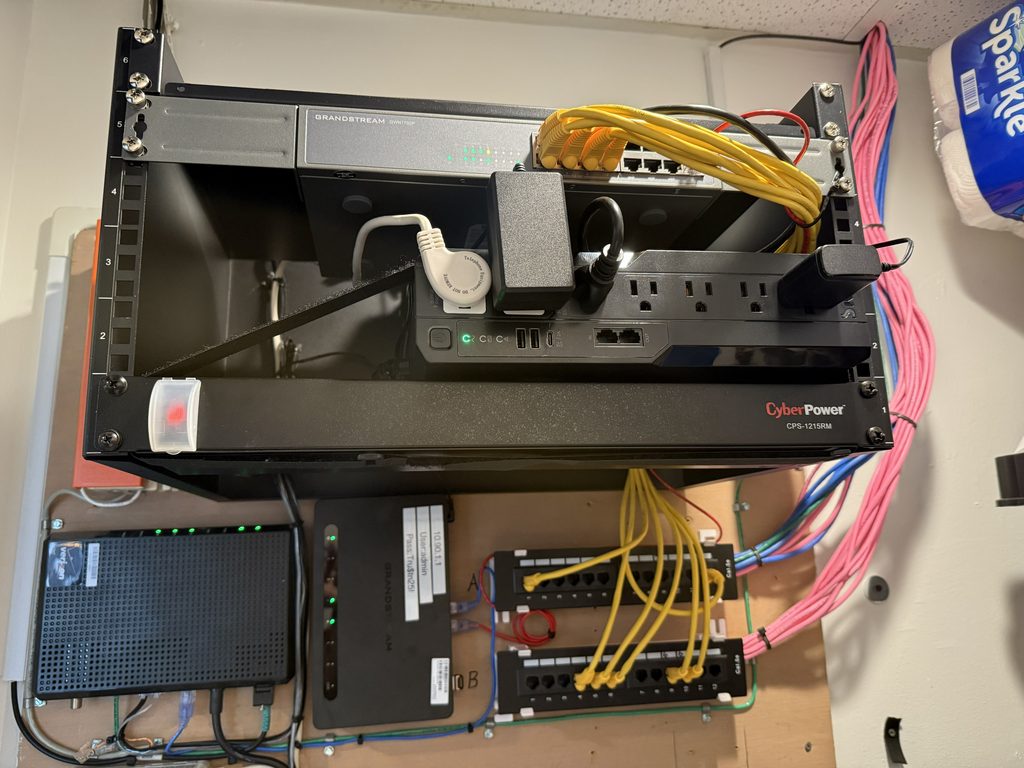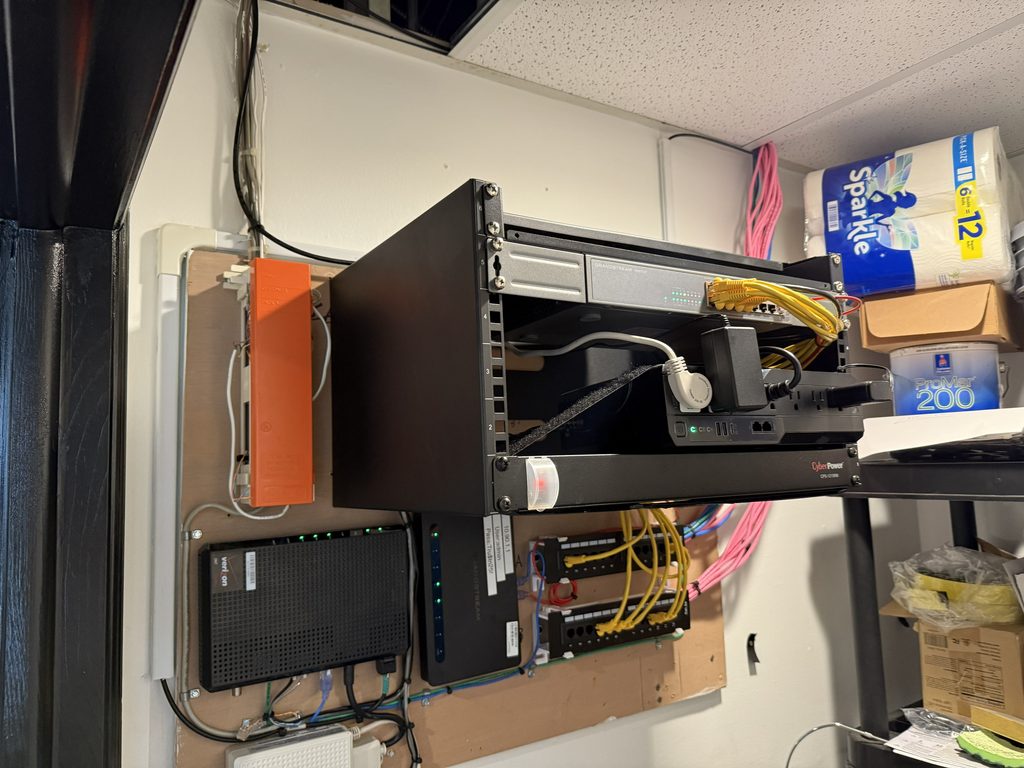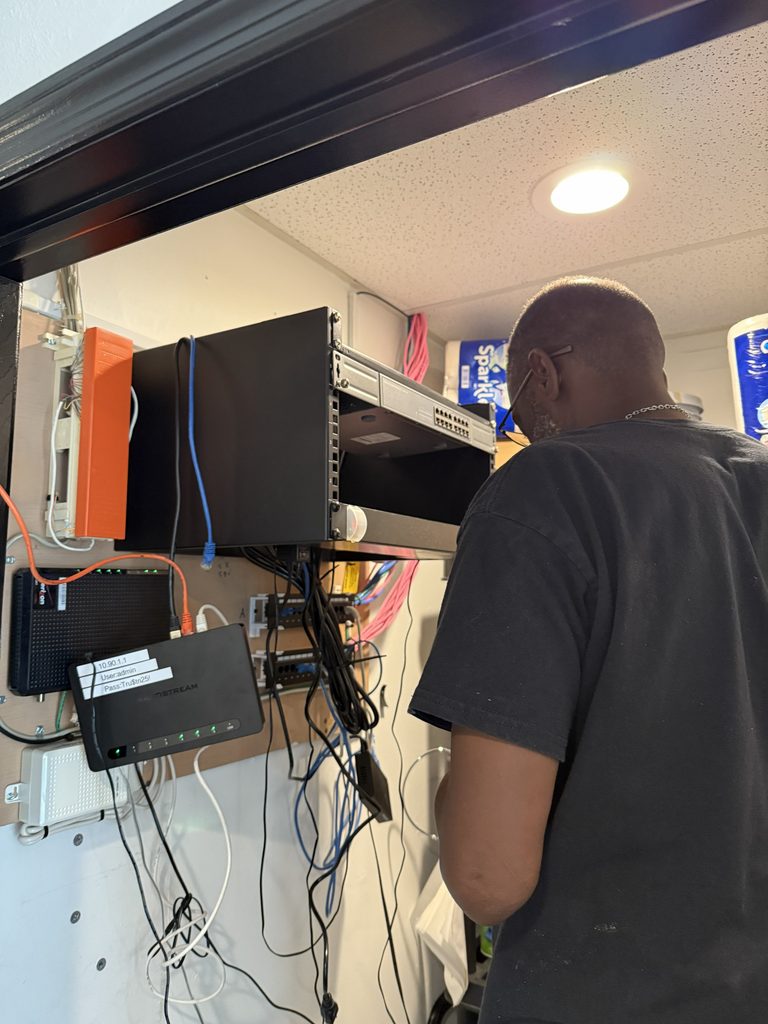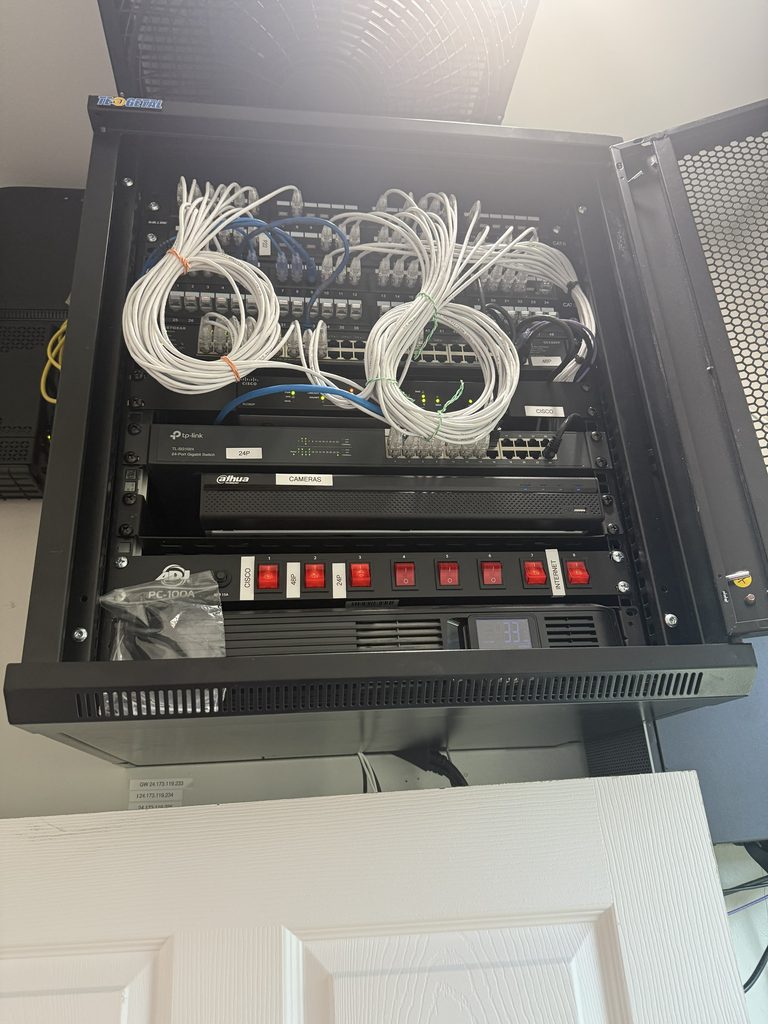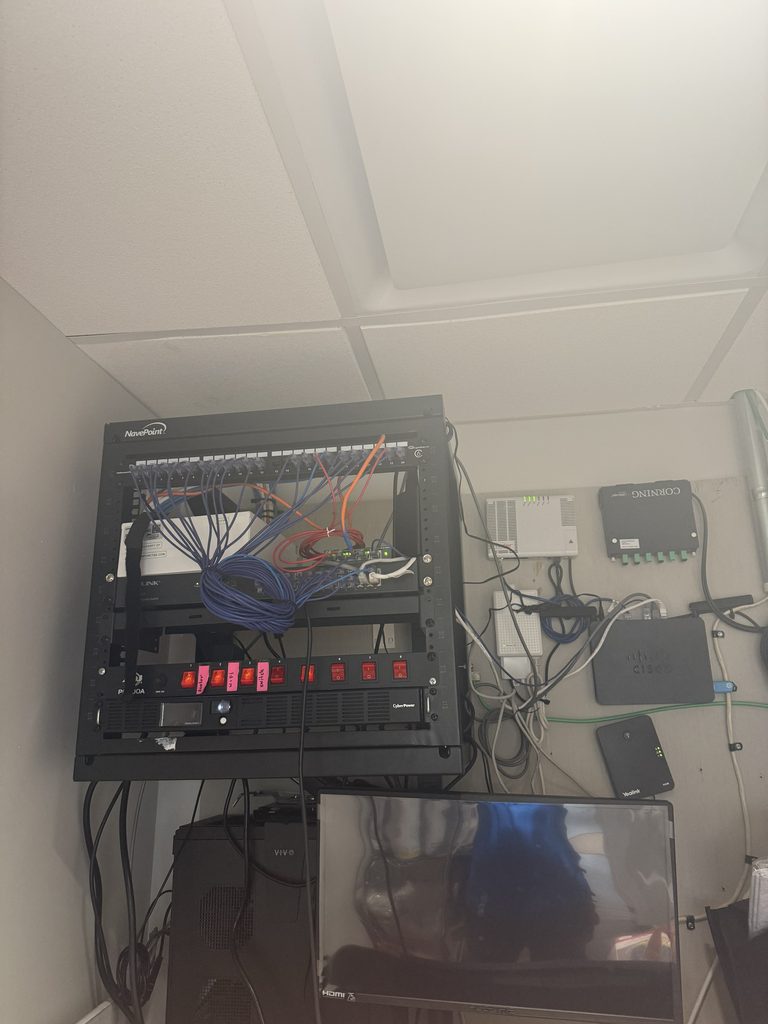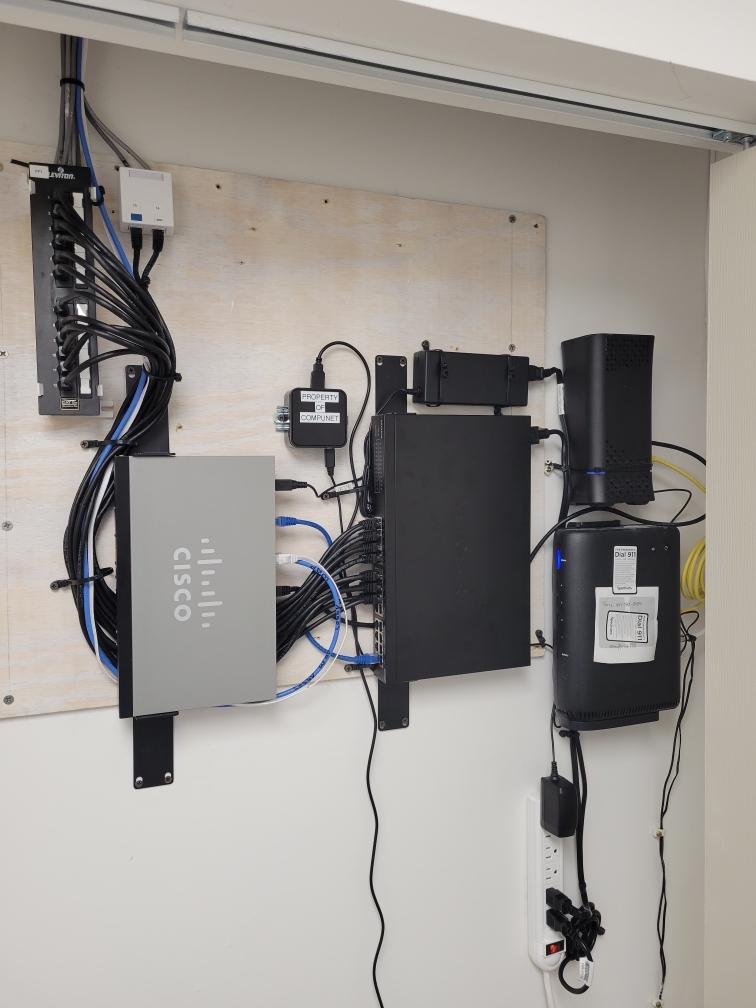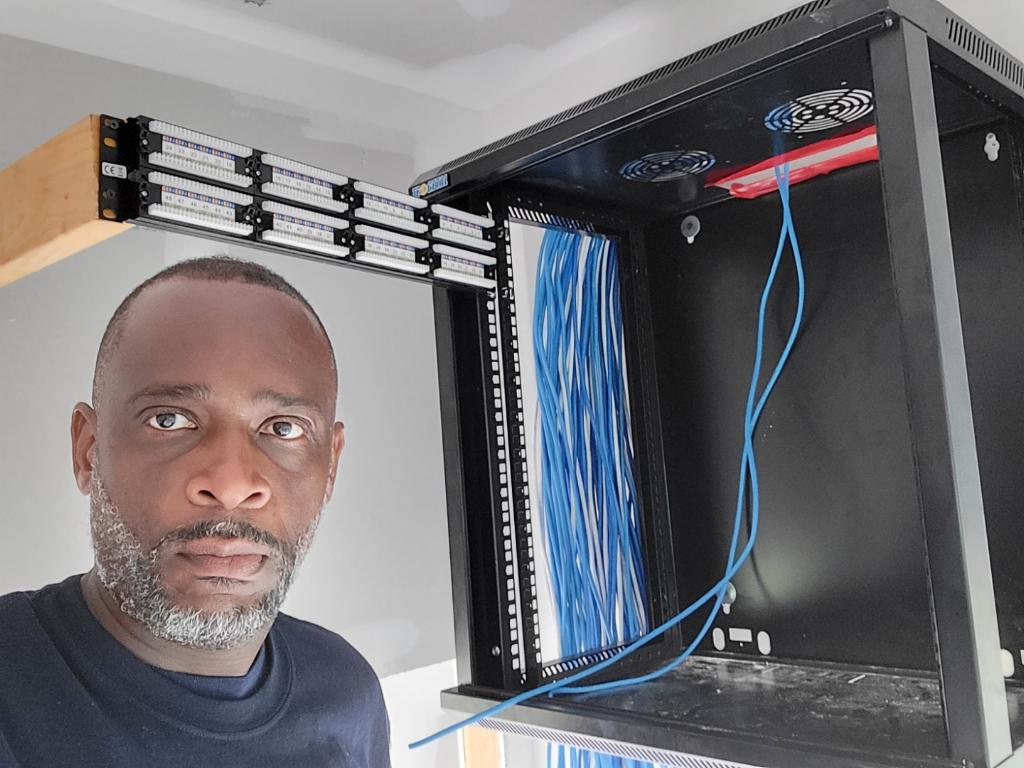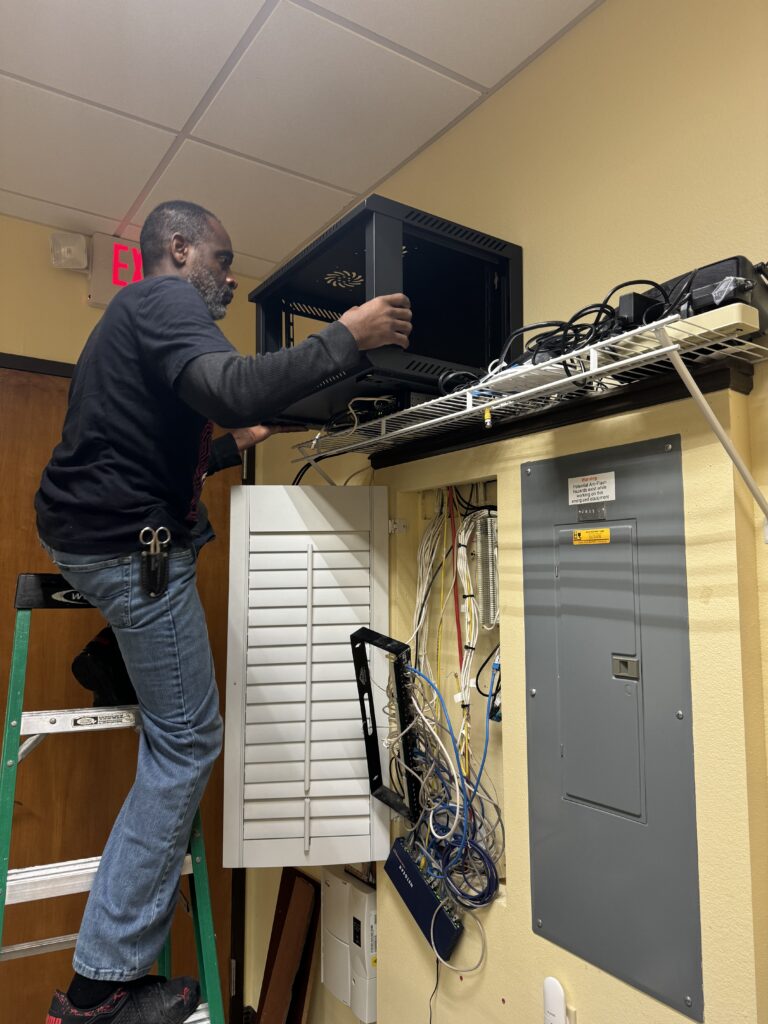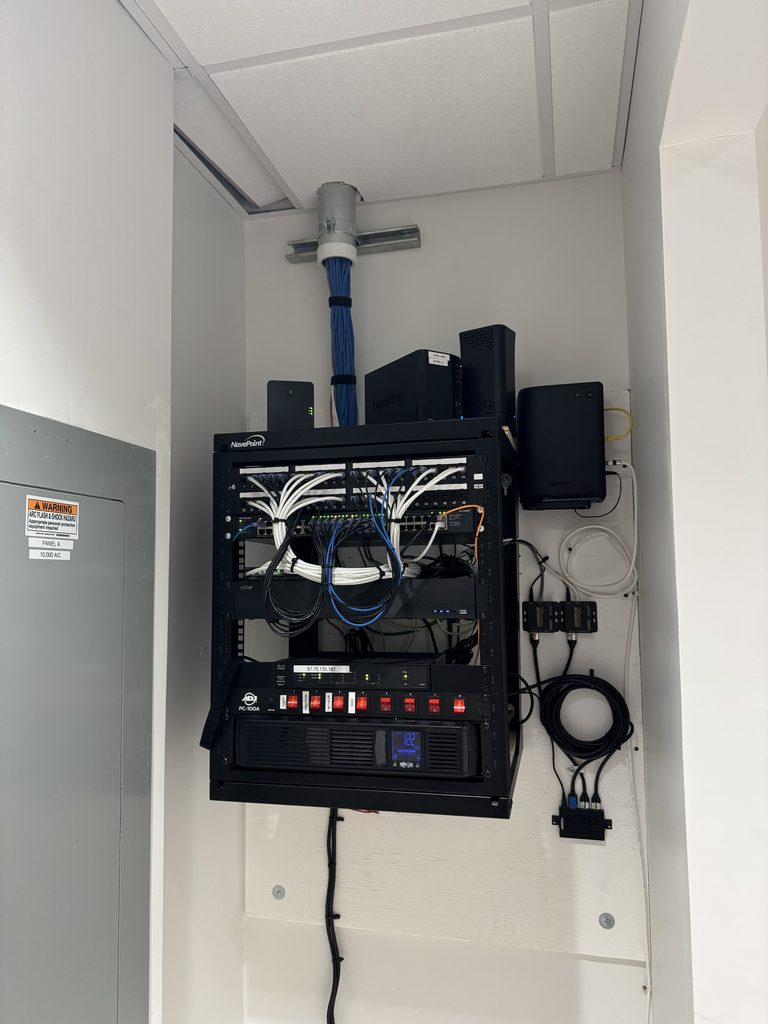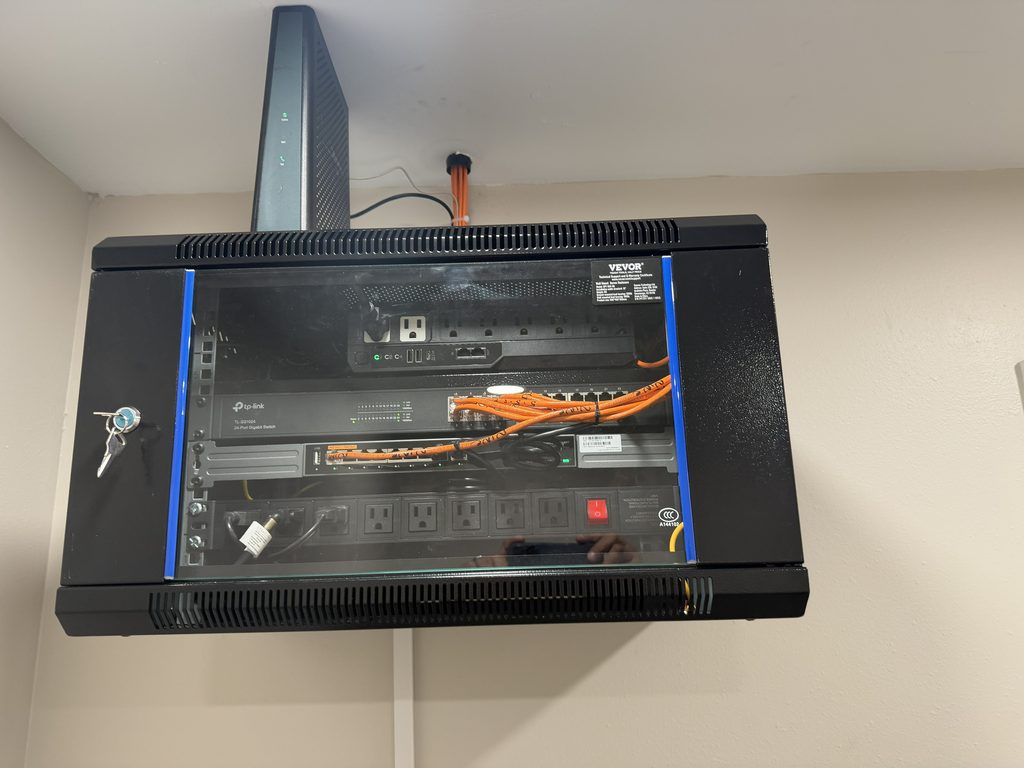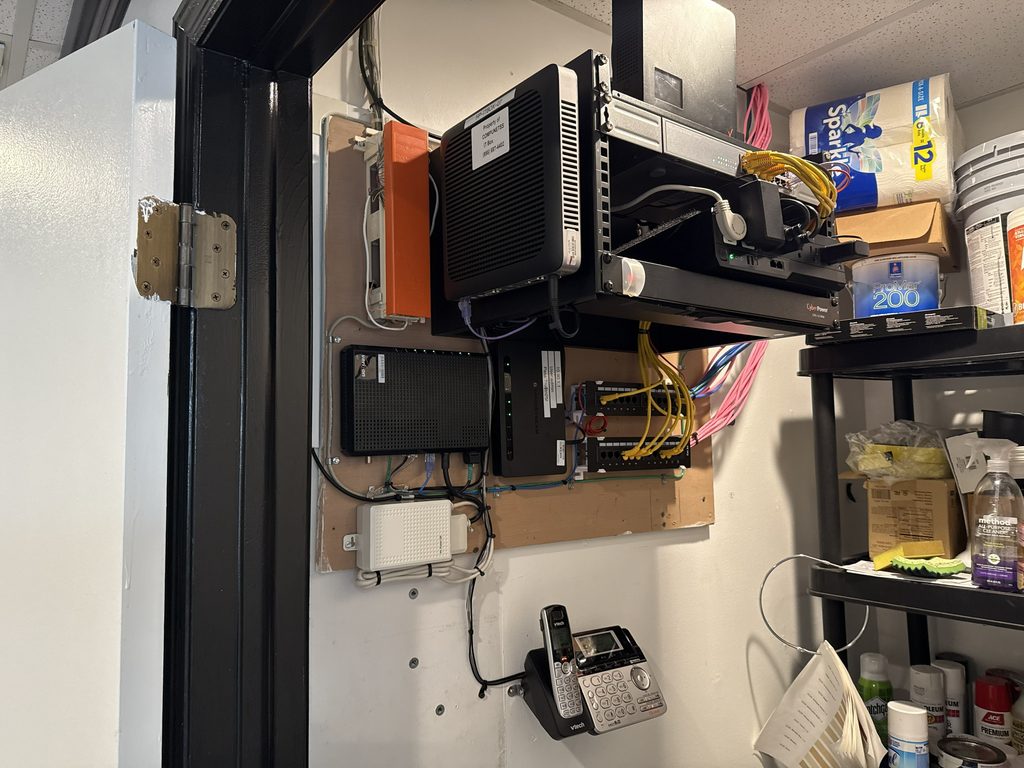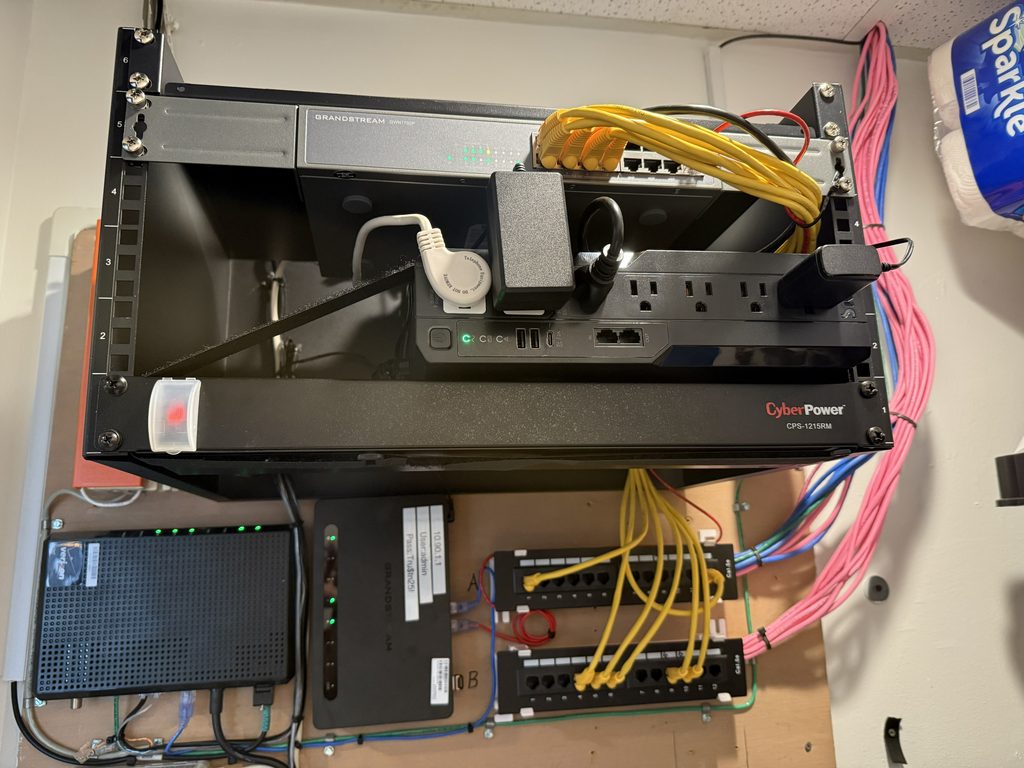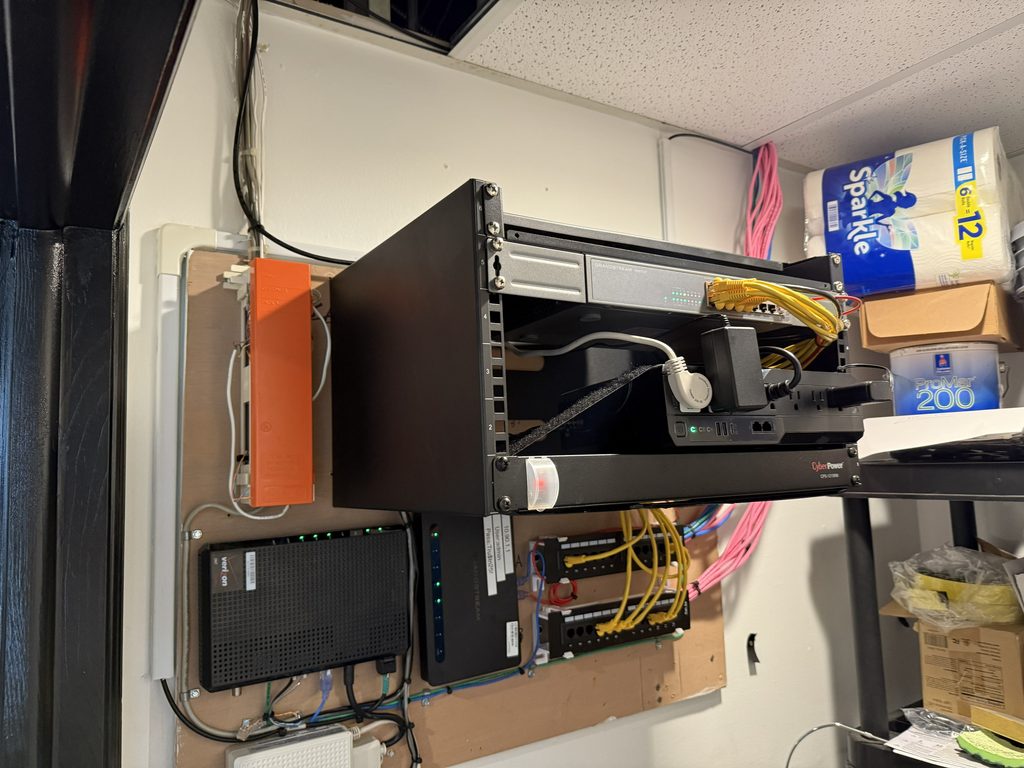
Low-voltage cables—operating under 50 volts—are the hidden foundation of reliable home and commercial surveillance systems, powering cameras, transmitting data, and ensuring uninterrupted security monitoring.
Thank you for reading this post, don't forget to subscribe!Common Types of Surveillance Cables
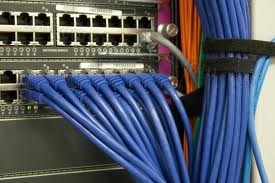
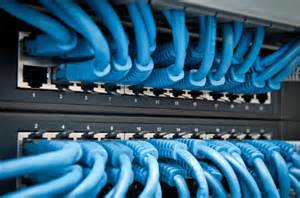
- Cat5e / Cat6 Ethernet Cables: The standard for modern IP (network) cameras. They transmit digital video and power simultaneously via Power over Ethernet (PoE).
- Siamese Cables: Combine coaxial video lines (RG59 or RG6) with a separate power wire bundle. They are traditionally used for analog and HD-CCTV camera setups.
- Shielded Control/Alarm Cables: Products like LANshack.com 22/6 AWG shielded cable prevent electromagnetic interference (EMI) for control panels and sensors.
- Dedicated Power Wires: Heavy-gauge lines like 18/2 conductor wire prevent infrared (IR) night vision failure or dimming caused by voltage drop over long distances
Key Installation Best Practices
- Hardwire over Wi-Fi: Hardwired low-voltage connections eliminate lag, signal drops, and interference.
- Use Plenum-Rated Wire (CL3P/CMP): Required by building codes if running cables through air-handling spaces (plenums) to ensure fire safety.
- Avoid Voltage Drop: Keep power running short or use thicker wire gauges (like 16 AWG or 18 AWG) for long distances to keep camera LEDs working properly.
- Keep Separation: Route low-voltage lines away from high-voltage electrical AC lines to minimize electrical noise.
If you’re planning an installation, tell me:
- Are you installing IP (PoE) or analog (CCTV) cameras?
- What is the approximate cable run length?
I can help you select the exact cable type and gauge you need.
Book your quote now